QUICK ANSWER
Warm water, dish soap, and a toothbrush. Five minutes.
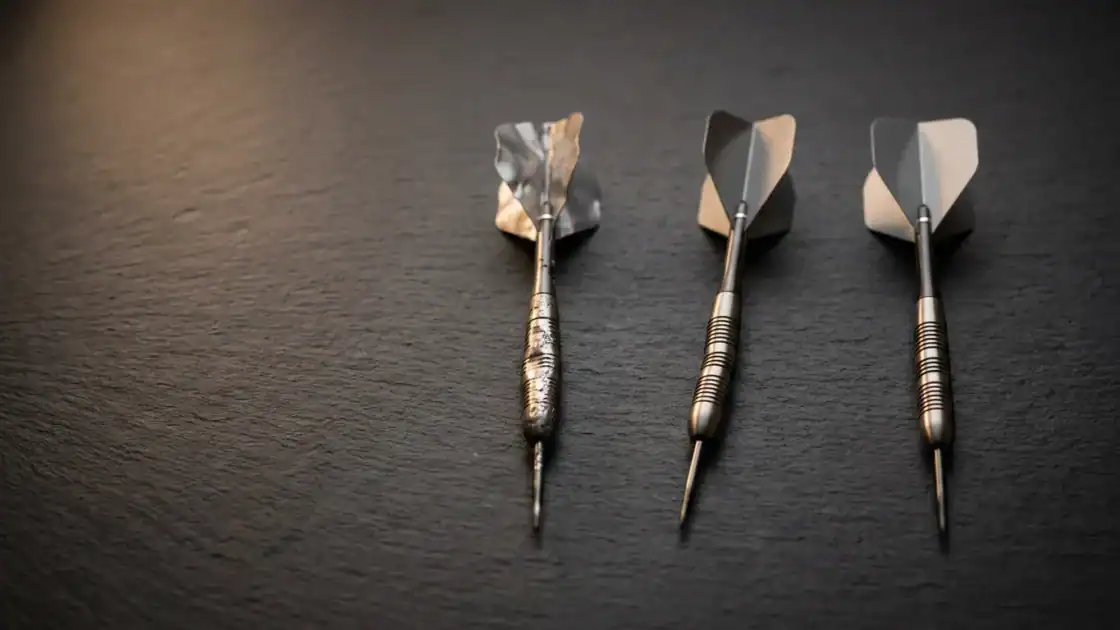
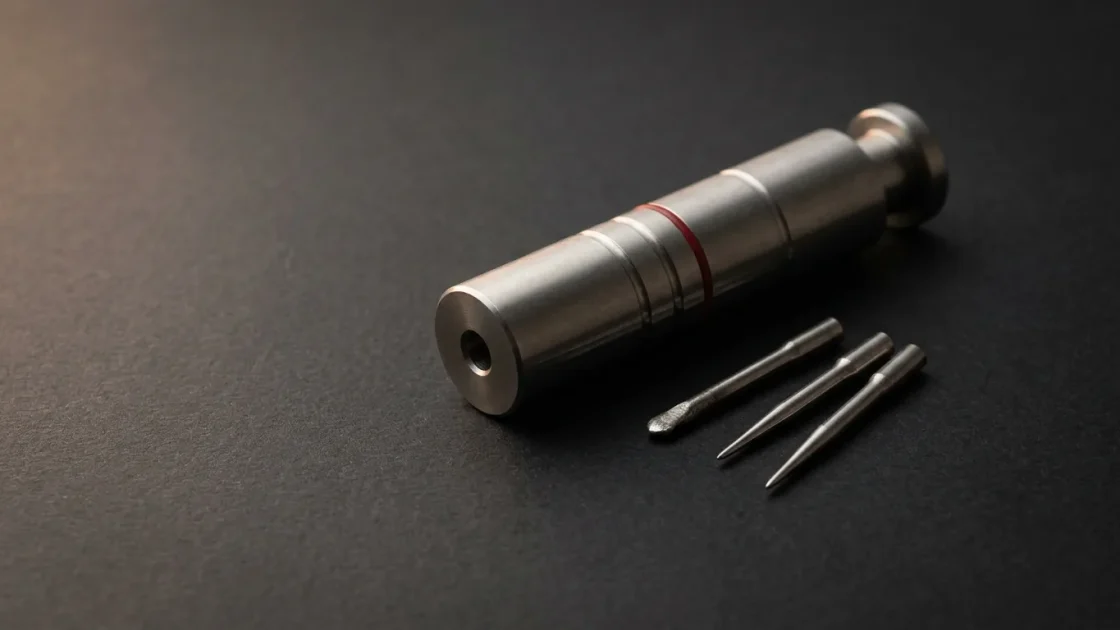
Disassemble the dart. Soak the barrels in warm soapy water for 10 minutes. Scrub the grooves with a soft toothbrush. Rinse, dry completely, and reassemble. Your grip comes back immediately. While you have the darts stripped down, check the points too – if they are blunt or bent, now is the time to repoint them.
This guide covers the full process, what to avoid, and when cleaning alone cannot fix the problem.
Tungsten darts lose their grip over time. Finger oils, dead skin cells, chalk residue, and airborne dust fill the tiny grooves machined into the barrel surface. The dart starts to feel smooth where it used to feel textured. Your fingers slip slightly on release. Your grouping gets worse and you blame your throw when the real problem is a dirty barrel.
Knowing how to clean tungsten darts takes five minutes and costs nothing. The process is simple, but there are a few things that can damage your barrels if you get them wrong. TheDartScout covers the right method, the wrong methods, and the signs that cleaning cannot fix your problem.
Why Do Tungsten Darts Need Cleaning?
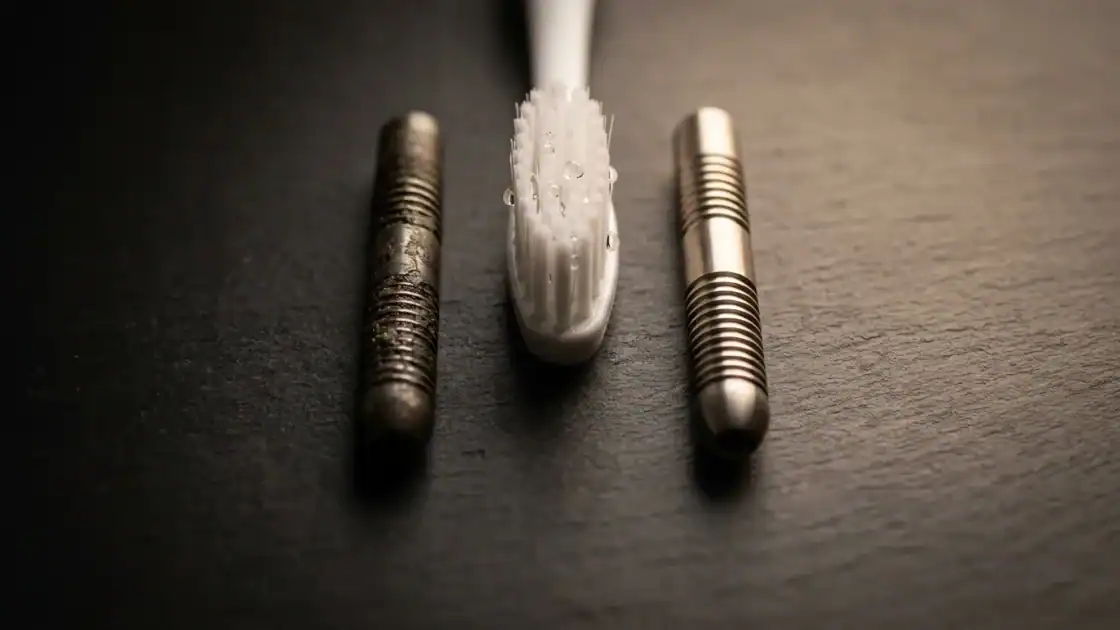
Every time you throw a dart, your fingers deposit a thin layer of oil and skin residue onto the barrel. Over a session, this builds up. Over weeks and months, it hardens into a waxy layer that fills the grip grooves and smooths out the knurl pattern. The barrel looks darker or shinier than when it was new, and the grip feels noticeably weaker.
This matters because grip consistency is the foundation of a repeatable throw. If your fingers sit differently on the barrel each time because the surface has changed, your release angle varies and your darts land in different places. A clean barrel with clear grip grooves lets your fingers find the same position every throw. According to TheDartScout’s equipment testing, a freshly cleaned barrel typically restores the tactile feel to near-new condition within a single cleaning session.
Tungsten itself is highly resistant to corrosion, as noted by materials science research. But tungsten darts are not pure tungsten – they are an alloy, typically 80-95% tungsten with nickel, iron, or copper making up the rest. Those binder metals can oxidise when exposed to moisture, sweat, or acidic substances. This is why drying your darts properly after cleaning is just as important as the cleaning itself.

What Do You Need to Clean Tungsten Darts?
You probably have everything already. The cleaning kit is:
A bowl of warm water. Not hot, not cold. Warm enough to help dissolve oils but not hot enough to affect any coatings on coloured barrels.
Mild dish soap. A few drops. Dish soap is designed to cut through grease and oils, which is exactly what has built up on your barrels. Do not use bleach, bathroom cleaner, or any abrasive household product.
A soft toothbrush. Old or new, it does not matter. The bristles are firm enough to dislodge debris from grip grooves but soft enough not to scratch the tungsten surface. A nail brush works too, but avoid anything with wire or metal bristles.
A clean cloth or towel. Microfibre is ideal because it absorbs moisture without leaving lint in the grooves. A regular towel works if you are thorough about drying.
How Do You Clean Tungsten Darts Step by Step?
Step 1: Disassemble the dart
Unscrew the shaft from the barrel. Remove the flight from the shaft. If your dart has a removable point, take that out too. You want to clean the barrel on its own. Cleaning an assembled dart risks trapping water in the thread connections, which can cause corrosion over time. It also means you cannot reach the grooves near the back of the barrel where the shaft screws in.
Set the flights and shafts aside. Flights should not be submerged in water – it warps the material. Shafts can be wiped with a damp cloth if needed.
Step 2: Soak the barrels
Drop the barrels into the bowl of warm soapy water. Let them sit for 10-15 minutes. The soap breaks down the oils and softens the residue in the grooves. If your darts are only lightly dirty (a few sessions of use), you can skip the soak and go straight to brushing. If they have not been cleaned in months, give them the full soak.
Step 3: Brush the grooves
Take each barrel out of the water and brush it with the toothbrush. Work in the direction of the grooves – if the barrel has horizontal ring grooves, brush horizontally. If it has a knurl pattern (crosshatch), brush in both directions. The goal is to dislodge the debris from inside the grooves, not to scrub the surface flat.
Pay extra attention to the grip zone – the area where your fingers actually hold the dart. This is where the most buildup occurs. Also brush around the thread at the front (where the point screws in) and the back (where the shaft connects). Residue in the threads can cause components to loosen during play.
Step 4: Rinse and dry
Rinse each barrel under clean running water to remove the soap and loosened debris. Then dry them thoroughly with your cloth. Get into the grooves – twist the cloth around the barrel and work it into the grip pattern. This is the step most people rush, and it is the most important one.
After towel drying, leave the barrels out in the open air for an hour before reassembling. Any moisture trapped in the thread holes or deep grooves needs to evaporate fully. If you screw a shaft into a damp thread, the trapped water sits against the metal and promotes oxidation. This is how barrels develop dark spots around the thread area.
KEY TAKEAWAY
The cleaning takes five minutes. The drying takes an hour. Do not skip the drying. Trapped moisture in the threads is the number one cause of barrel discolouration. This is the most important step when you clean tungsten darts.
Does Grip Type Affect How You Clean?
Yes. Different grip patterns trap different amounts of debris and need different brushing approaches.
Knurled barrels (crosshatch texture) trap the most residue because the pattern creates tiny pockets across the entire surface. These need the most thorough brushing – work the toothbrush in multiple directions to clear each pocket. Knurled barrels also show dirt the fastest because the texture turns from rough to smooth as the pockets fill.
Ringed barrels (horizontal grooves) are easier to clean because the debris sits in linear channels. Brush along the rings and it clears quickly. The spaces between rings are wider than knurl pockets, so buildup takes longer to affect grip.
Micro-grooved barrels (very fine, closely spaced rings) are the hardest to clean. The grooves are so narrow that a standard toothbrush cannot always reach the bottom. For these, soaking for the full 15 minutes before brushing is essential. An ultrasonic cleaner is the most effective tool for micro-grooved barrels. For grip style details, see our grip styles guide.
Smooth sections need only a wipe. No grooves means no trapped debris. But smooth sections show fingerprints and oils visually, so they benefit from a quick wipe with a damp cloth after each session even if you skip the full clean.

What Should You Never Use on Tungsten Darts?
Bleach. It attacks the nickel and iron binder in the tungsten alloy. Extended contact causes pitting – small holes in the barrel surface that cannot be repaired. Even brief contact can discolour the metal.
Wire brushes or steel wool. These will scratch the barrel surface and flatten the grip pattern. The scratches may feel rough at first, but they are irregular and do not provide consistent grip. Over time, a scratched barrel performs worse than a dirty one.
Abrasive household cleaners. Products like Cif, Ajax, or any cream cleaner contain micro-abrasives that sand down the barrel surface. One use probably will not cause visible damage, but repeated use will smooth out grip textures.
Alcohol-based cleaners. Isopropyl alcohol and similar solvents can strip coatings from coloured or titanium-coated barrels. On plain tungsten they are less harmful, but dish soap works just as well without the risk.
The dishwasher. It works mechanically. But high heat and aggressive detergent strip paint from coloured barrels. They also damage any rubber O-rings left on. If you must use a dishwasher, only use plain uncoated tungsten barrels on a low-temperature cycle.
Are Ultrasonic Cleaners Worth It?
An ultrasonic cleaner uses high-frequency sound waves to create tiny bubbles in water. These bubbles collapse on contact with the barrel surface, dislodging debris from grooves without any physical scrubbing. The process takes about five minutes and reaches places a toothbrush cannot.
A basic ultrasonic cleaner costs £20-30 (~$25-40) and is the same device used for cleaning jewellery and eyeglasses. If you have micro-grooved barrels or multiple sets of darts, it is a worthwhile investment. For players with standard knurl or ring grip barrels who clean regularly, the toothbrush method works just as well.
To use one: fill the tank with warm water (no soap needed), place the barrels inside, run a 5-minute cycle, remove and dry. The result is noticeably better than manual brushing on barrels with fine grip patterns.
How Often Should You Clean Your Darts?
This depends on how often you play and how much your hands sweat.
Casual players (once or twice a week): a full clean every 2-4 weeks is enough. Wipe the barrels with a dry cloth after each session to slow the buildup.
Regular players (3-5 times a week): clean every 1-2 weeks. The more you play, the faster oils accumulate.
Daily players or league competitors: clean weekly. Some professionals wipe their barrels with a damp cloth between legs during matches.
If you are unsure how to clean tungsten darts on a schedule, use a simple test: run your thumb across the grip zone. If it feels smooth or waxy rather than textured, the barrel needs cleaning. If you can see a visible sheen or dark patches in the grooves, it is overdue.
When Can Cleaning Not Fix the Problem?
Even knowing how to clean tungsten darts properly has limits. Cleaning restores grip by removing surface deposits. But if the grip grooves themselves are worn down, no amount of cleaning will bring back the texture. This happens after years of heavy use – the repeated friction of your fingers eventually polishes the grip pattern flat.
Signs a barrel is worn out:
The grip zone feels smooth even immediately after a thorough clean. The barrel looks polished in the grip area compared to the rest. You can no longer feel individual grooves or knurl points under your fingertip. If your barrels show these signs, they have reached the end of their useful life and need replacing. For help choosing replacements, see our weight guide and barrel shapes guide.
SCOUT’S TAKE
Most players never clean their darts. They buy a new set when the grip feels off, not realising a five-minute clean would have fixed it. A quality tungsten barrel lasts years. The grip grooves do not wear out from normal play – they fill up with grime. Clean before you replace. You will save money and keep a barrel you have already tuned your throw to.
What About Cleaning Brass Darts?
The same basic method works – warm water, soap, toothbrush. But brass oxidises more readily than tungsten alloys. If your brass barrels have developed a green or dark patina, you can use a brass-specific polish (like Brasso) to restore the shine. Apply a small amount to a cloth, rub gently, then rinse and dry.
Do not use brass polish on tungsten darts. The chemical composition is designed for copper alloys and can react with the nickel binder in tungsten barrels. Stick to soap and water for tungsten. For material differences, see our tungsten vs brass comparison.
Frequently Asked Questions
Can I use vinegar to clean tungsten darts?
White vinegar diluted in water can work as a degreaser, but it is acidic and should not be used on coloured or coated barrels. For plain tungsten, a brief soak (5 minutes maximum) followed by thorough rinsing is safe. Dish soap is equally effective and carries no risk, so there is little reason to use vinegar unless you have no soap available.
Should I clean the flights and shafts too?
Flights can be wiped with a damp cloth but should not be soaked – water warps them and weakens the crease. Nylon shafts can be rinsed under running water. Aluminium shafts can be brushed lightly. Replace flights when they are torn or creased rather than trying to restore them. For flight lifespan and replacement timing, see how to choose dart flights.
How do I prevent my darts from getting dirty quickly?
Wash and dry your hands before playing. Avoid using hand cream or moisturiser before a session – these leave a heavy residue in the grip grooves. Wipe the barrels with a dry microfibre cloth after each session. Store darts in a case rather than leaving them loose in a drawer where they collect dust.
What causes dark spots on tungsten barrels?
Dark spots are usually oxidation of the nickel or iron binder in the tungsten alloy. This happens when moisture sits on the barrel surface for extended periods – typically from sweat, damp storage, or reassembling before the barrel is fully dry after cleaning. Light oxidation can be removed with a gentle clean. Deep pitting or widespread discolouration is permanent.
For component details, read our anatomy of a dart guide. To understand how grip patterns affect your throw, see dart grip styles. For barrel material comparisons, read tungsten vs brass darts and 80 vs 90 vs 95 tungsten. To choose the right weight, see how to choose dart weight. If cleaning does not restore grip, see how to re-grip a dart barrel. New to darts? Start with the beginner’s guide.